
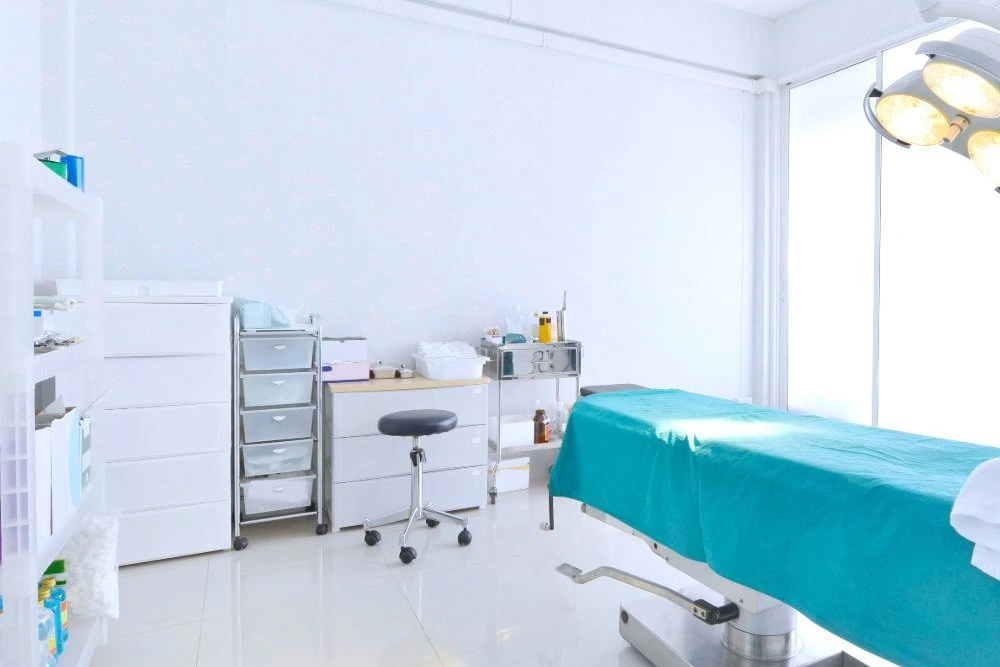
The successful completion of a healthcare project involves more than constructing the facility and installing medical equipment. Before a hospital, clinic or healthcare facility becomes operational, every room and its equipment must be carefully checked to ensure that the planned requirements have been delivered and implemented correctly.
This is where room-to-room inspection becomes an important part of the healthcare project lifecycle.
A systematic room-by-room inspection helps verify that medical equipment has been delivered, installed and positioned according to the approved plans and final equipment schedule. It provides an important opportunity to identify discrepancies before the facility moves into operational readiness.
What Is Room-to-Room Inspection?
A room-to-room inspection is a systematic verification process carried out during the final stages of a healthcare project.
Once medical equipment has been delivered and installed, each designated room is inspected against the approved room layouts, equipment schedules and project requirements.
The inspection typically verifies:
- Whether the required equipment is present
- Whether equipment has been installed in the correct room
- Whether equipment is positioned according to the approved layout
- Whether the equipment corresponds with the final equipment schedule
- Whether quantities are correct
- Whether any planned equipment is missing
- Whether equipment has been delivered and installed as specified
- Whether discrepancies require correction before operational handover
This process creates a direct link between what was planned at the beginning of the project and what has ultimately been delivered at the facility.
Why Is Room-to-Room Inspection Important?
Healthcare facilities contain a large number of medical devices, furniture items, fixtures and supporting equipment distributed across different clinical and non-clinical areas.
With multiple departments, rooms, suppliers and project stakeholders involved, discrepancies can occur between the original plan and the final installation.
A room-to-room inspection provides a structured method of identifying these issues.
1. Verifies Medical Equipment Installation
Medical equipment must be installed in the appropriate locations based on the approved room layouts and functional requirements.
A room-by-room inspection helps confirm that the installed equipment corresponds with the planned location and intended use of each space.
2. Checks Against the Final Equipment Schedule
The final medical equipment schedule serves as an important reference during the inspection.
Each room can be checked against the schedule to determine whether the required equipment has been delivered and installed.
This can help identify:
- Missing equipment
- Incorrect equipment
- Additional equipment
- Quantity discrepancies
- Equipment installed in the wrong location
3. Confirms Room Layout Compliance
Medical equipment placement can influence clinical workflows, accessibility and the practical use of a healthcare space.
Checking equipment against the approved room layout helps verify whether the final installation reflects the intended planning and design.
4. Identifies Issues Before Operational Readiness
Finding discrepancies after a healthcare facility becomes operational can create additional coordination challenges.
Room-to-room inspection provides an opportunity to identify outstanding equipment-related issues before final handover and operational readiness.
This can support a smoother transition from project implementation to healthcare operations.
What Does a Room-to-Room Inspection Involve?
A room-to-room inspection requires a systematic approach.
The inspection team can work through the healthcare facility room by room, comparing the physical installation with the relevant project documentation.
Depending on the project scope, the process may involve checking:
Room identification Confirming that the correct room is being inspected.
Equipment identification Checking equipment against the relevant equipment schedule.
Quantity verification Confirming that the planned quantity has been delivered.
Location verification Checking that equipment is positioned in the intended location.
Layout verification Comparing the installation with the approved room layout.
Installation status Confirming whether the equipment has been delivered and installed.
Discrepancy recording Documenting missing, incorrect or incomplete items requiring attention.
This systematic approach makes the inspection more than a visual walkthrough. It becomes a final verification exercise connecting project documentation with the physical healthcare environment.
The Role of the Medical Equipment Planner
For a Medical Equipment Planner, room-to-room inspection represents an important final stage of the equipment planning process.
Medical equipment planning begins much earlier in the project lifecycle.
It can involve:
- Identifying clinical requirements
- Developing equipment lists
- Preparing equipment specifications
- Coordinating with healthcare users
- Planning equipment locations
- Coordinating with architects and other consultants
- Supporting procurement
- Coordinating delivery and installation
- Verifying the final installation
Room-to-room inspection brings these activities together.
The equipment that was initially identified, specified and planned is physically checked against the final healthcare facility.
From Equipment Planning to Final Verification
The journey of medical equipment within a healthcare project can involve multiple stages and stakeholders.
A typical process may look like:
Clinical Requirements → Equipment Planning → Specifications → Procurement → Delivery → Installation → Room-to-Room Inspection → Operational Readiness
Each stage contributes to the final outcome.
If the planning identifies a particular piece of equipment for a specific room, the final inspection provides an opportunity to verify that the intended equipment has actually reached that room and has been installed according to the approved requirements.
This makes room-to-room inspection an important link between medical equipment planning and healthcare facility commissioning.
A Labour-Intensive but Critical Process
Room-to-room inspection can be a labour-intensive activity, particularly in large hospitals and healthcare facilities with hundreds or thousands of equipment items across multiple departments.
However, its importance lies in the level of detail involved.
A systematic inspection can provide visibility into the final status of equipment throughout the facility and help project teams identify discrepancies that may otherwise remain unnoticed.
The process requires attention to detail, coordination and familiarity with the project’s equipment documentation and room layouts.
Supporting Healthcare Project Handover
The final stages of a healthcare project involve preparing the facility for its intended operation.
Equipment verification is one component of this process.
By systematically checking each room and recording outstanding issues, project teams can establish a clearer picture of the facility’s readiness and identify items requiring resolution before handover.
Room-to-room inspection can therefore support the broader objectives of hospital commissioning, equipment verification and operational readiness.
Why Medical Equipment Planning Should Continue Until Installation
Medical equipment planning should not be viewed as a process that ends when the equipment schedule is prepared.
The final installation provides an opportunity to verify whether the planning decisions have been successfully translated into the physical healthcare environment.
This is particularly important because changes can occur throughout a project due to procurement, delivery, construction, coordination or site requirements.
A final room-to-room inspection helps close this gap by comparing the planned requirements with the actual installation.
Conclusion
Room-to-room inspection is an important final verification step in healthcare projects.
By systematically checking medical equipment against approved room layouts and final equipment schedules, project teams can identify discrepancies, verify installations and establish a clearer picture of equipment readiness before the facility becomes operational.
For Medical Equipment Planners, it represents the final connection between planning, specification, coordination, procurement, delivery and installation.
The process brings the equipment planning journey full circle — from determining what a healthcare facility needs to verifying that those requirements have ultimately been delivered and installed as intended.
At Hanimed, our healthcare consultancy approach considers medical equipment planning as part of the wider healthcare project lifecycle, connecting planning and procurement requirements with the practical realities of healthcare facility implementation and operational readiness.
